
Logistics and Supply Chain Management
Ever wondered how your online orders arrive so quickly at your doorstep? It's all thanks to sophisticated logistics and supply chain management systems that keep products flowing seamlessly across the globe. Behind every successful delivery lies an intricate network of warehouses, transportation routes, and digital tracking systems.
Today's businesses can't afford to ignore the critical role of efficient distribution networks. Whether you're managing inventory optimization or coordinating warehouse automation, understanding these processes isn't just helpful—it's essential for staying competitive in our interconnected marketplace.
Core Components of Modern Distribution Networks
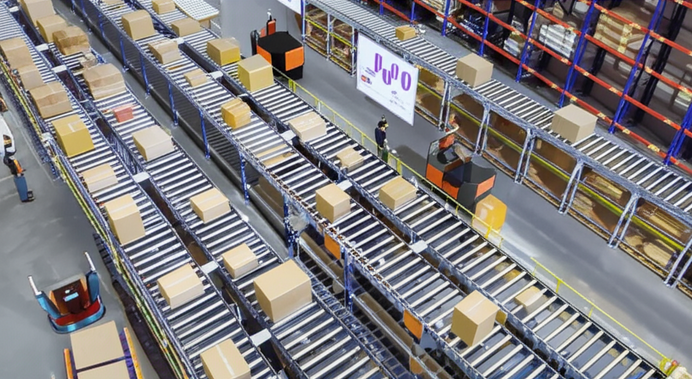
The backbone of effective logistics lies in understanding how different elements work together. Transportation networks form the arteries through which products flow, connecting manufacturers to distribution centers and ultimately reaching consumers. These networks aren't just about trucks and planes anymore—they're sophisticated ecosystems that leverage real-time data and predictive analytics.
Physical Infrastructure Requirements
Building robust infrastructure starts with strategically located distribution centers. These facilities serve as crucial nodes where products are sorted, stored, and redistributed. Smart placement of these centers can reduce delivery times by up to 40%, making location selection a critical decision that impacts overall efficiency.
Digital Integration Systems
Modern operations rely heavily on integrated software platforms that connect every touchpoint. From warehouse automation systems to customer tracking portals, digital tools provide visibility that wasn't possible just a decade ago. These platforms enable real-time adjustments and help identify bottlenecks before they become major problems.
Inventory Optimization Strategies for 2024
Managing stock levels has become increasingly complex as customer expectations continue rising. Businesses now need to balance carrying costs against service levels while maintaining flexibility for unexpected demand spikes. The key isn't holding more inventory—it's holding the right inventory at the right locations.
Just-in-Time vs Safety Stock
The eternal debate between lean inventory and buffer stock continues evolving. While just-in-time approaches minimize carrying costs, recent disruptions have shown the value of strategic safety stock. Smart companies are finding middle ground through dynamic inventory models that adjust based on real-time demand forecasting data.
ABC Analysis Implementation
Categorizing products based on their value and movement frequency helps prioritize resources effectively. High-value, fast-moving items require different handling than slow-moving specialty products. This classification system, when properly implemented, can reduce overall inventory costs by 15-25% while maintaining service levels.
Warehouse Automation Technologies Transforming Operations
Automation isn't replacing human workers—it's augmenting their capabilities and eliminating repetitive tasks. From autonomous mobile robots to sophisticated sorting systems, technology is revolutionizing how distribution centers operate. These innovations aren't just about speed; they're about accuracy, safety, and scalability.
Robotic Process Implementation
Robots now handle everything from picking and packing to loading trucks. These systems work alongside human employees, handling heavy lifting and repetitive motions that lead to injuries. The result? Warehouses that operate 24/7 with fewer errors and happier workers who focus on problem-solving rather than manual labor.
AI-Powered Sorting Systems
Machine learning algorithms optimize routing decisions in real-time, ensuring packages take the most efficient path through facilities. These systems learn from patterns, continuously improving their performance and adapting to changing conditions. What once required teams of planners now happens automatically in milliseconds.
Demand Forecasting Through Advanced Analytics
Predicting future needs has always been challenging, but modern analytics tools are changing the game. By analyzing historical data, market trends, and external factors like weather patterns, businesses can anticipate demand with unprecedented accuracy. This isn't crystal ball gazing—it's data-driven decision making at its finest.
Machine Learning Models
Sophisticated algorithms process vast amounts of data to identify patterns humans might miss. These models consider everything from seasonal fluctuations to social media trends, providing insights that help prevent both stockouts and excess inventory. The accuracy improvements are remarkable, with some companies reporting forecast accuracy increases of 30-50%.
External Data Integration
Modern forecasting goes beyond internal sales data. By incorporating weather forecasts, economic indicators, and even social media sentiment, companies create more nuanced predictions. This holistic approach helps anticipate disruptions and opportunities that traditional methods would miss entirely.
| Technology Type | Implementation Cost | ROI Timeline | Efficiency Gain |
|---|---|---|---|
| Warehouse Automation | $500K-$2M | 18-24 months | 35-45% |
| Demand Forecasting AI | $100K-$500K | 6-12 months | 25-30% |
| Transportation Networks | $200K-$1M | 12-18 months | 20-35% |
| Inventory Optimization | $50K-$200K | 3-6 months | 15-25% |
Conclusion
The future of logistics and supply chain management lies in seamless integration of physical and digital systems. As transportation networks become smarter and distribution centers more automated, businesses that embrace these changes will thrive. Success isn't about implementing every new technology—it's about choosing solutions that align with your specific needs and growth trajectory. The companies winning today understand this balance perfectly.